Discovering the Best 3D Printing Pens for Creative Projects
The 3D pen market has exploded to reach $87.5 million in 2024, according to Grand View Research, transforming how we approach creative projects. These innovative tools offer instant accessibility to 3D creation without complex software or expensive printers, making them perfect for artists, educators, and hobbyists alike. Whether you’re dreaming of intricate sculptures or practical prototypes, have you considered how a 3D pen could revolutionize your creative workflow? Discover more details about finding the perfect pen for your artistic vision.
Understanding Different Types and Technologies
Modern 3D pens operate using two primary filament technologies, each offering distinct advantages for different users. PLA filaments remain the most popular choice, melting at lower temperatures between 160-180°C, making them safer for beginners and children. These bio-based materials produce minimal odour and create smooth, reliable extrusions perfect for detailed work.
Also to discover : Why are UK News Outlets Focusing Heavily on Climate Change?
Professional users often prefer ABS filaments, which require higher operating temperatures around 200-240°C. This technology delivers stronger, more flexible creations that can withstand greater stress. However, ABS requires proper ventilation due to fumes and demands more precise temperature control for optimal results.
Display screens represent another key differentiator in modern 3D pen design. Basic models without screens offer simplicity and lower costs, relying on LED indicators for temperature status. Advanced pens feature digital displays showing precise temperature readings, filament type settings, and speed controls, giving users complete command over their creative process.
Topic to read : How is the UK addressing the issue of food insecurity?
Temperature precision significantly impacts your creative possibilities. Entry-level pens may have broader temperature ranges, while professional models offer degree-by-degree control, enabling work with specialty filaments like wood-filled or metal-infused materials that require exact heating specifications.
Choosing the Perfect 3D Sculpting Pen by Experience Level
Selecting the right 3D pen depends heavily on your skill level and creative goals. Whether you’re taking your first steps into 3D art or you’re an experienced maker, different features will matter most to your workflow.
The good news? Quality 3D pens are now available across the £10-50 range, making this technology accessible to everyone. Here’s how to choose based on your experience:
- Beginners: Look for pens with automatic temperature control, safety features like cool-touch tips, and simple one-button operation. LED indicators help track heating status, while ergonomic designs reduce hand fatigue during learning sessions.
- Intermediate users: Focus on pens with adjustable speed controls, temperature settings for multiple filament types, and comfortable grips for extended projects. Variable flow control lets you create both fine details and bold strokes.
- Expert creators: Prioritize advanced temperature ranges (up to 230°C), compatibility with specialty filaments like wood-fill or metal-composite, precise flow controls, and interchangeable nozzles for different line widths.
Consider your primary materials too. PLA-only users can choose simpler models, while those working with ABS, PETG, or exotic filaments need broader temperature ranges and better ventilation systems.
Budget Considerations and Value for Money
The 3D pen market offers remarkable price accessibility, with quality options ranging from £10 for basic models to £50 for professional-grade devices. This broad spectrum ensures that everyone can find a suitable option regardless of their budget constraints.
Entry-level pens around £15-20 provide excellent value for beginners and children, offering essential features without overwhelming complexity. Mid-range models between £25-35 strike the perfect balance, incorporating advanced temperature controls and ergonomic designs that enhance the creative experience significantly.
However, the initial purchase price represents only part of your total investment. Filament costs typically range from £8-15 per kilogram, while specialized materials like wood-fill or metal-composite filaments command higher prices. Essential accessories such as cutting tools, cleaning kits, and replacement nozzles can add another £10-20 to your setup.
European retailers frequently offer promotional bundles that include starter filament packs and accessories, providing exceptional value compared to purchasing items separately. These comprehensive packages often reduce the overall cost by 20-30%, making premium models more accessible to budget-conscious creators.
Safety Features and Age-Appropriate Models
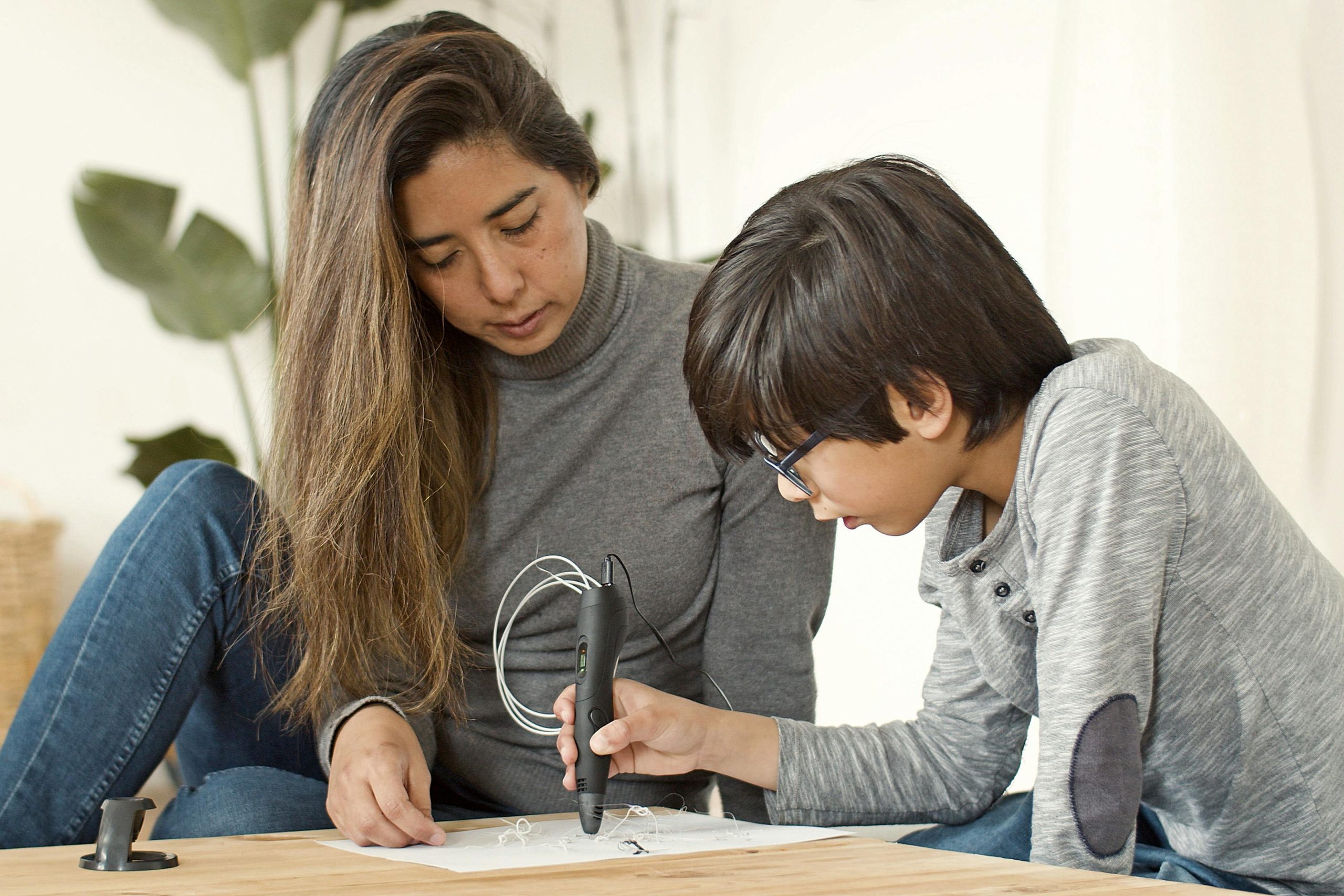
Modern 3D pens incorporate multiple safety mechanisms designed to protect users of all ages. Temperature control systems prevent overheating, while ergonomic designs reduce hand fatigue during extended use. Most family-friendly models feature low-temperature operational modes and automatic shut-off functions after periods of inactivity.
Children’s models typically operate at temperatures between 160-180°C, significantly lower than professional versions that reach 200-240°C. These kid-friendly pens often include protective casings around the heating element and LED indicators that clearly show when the device is active. Many also feature slower extrusion speeds and simplified controls to prevent accidents.
Professional-grade models prioritize precision and versatility over basic safety features. They accommodate various filament types and offer adjustable temperature settings for different materials. However, they require more experience and caution to operate safely. Look for models with CE certification in Europe, which ensures compliance with safety standards.
The key difference lies in user experience rather than fundamental safety. Adult supervision remains essential for younger users, regardless of the pen’s safety features. Most manufacturers clearly indicate age recommendations, typically 8+ for basic models and 14+ for advanced versions.
Essential Accessories and Filament Compatibility
A successful 3D pen experience relies heavily on having the right accessories and understanding filament compatibility. Most entry-level pens work exclusively with PLA filament, which melts at lower temperatures and produces minimal odor, making it perfect for beginners and younger users.
Advanced models typically support both PLA and ABS filament, with ABS offering greater durability but requiring higher operating temperatures. Some professional-grade pens also accommodate specialty filaments like wood-filled or metal-infused materials, opening up creative possibilities for experienced users.
Essential accessories include replacement nozzles, which wear out with regular use, and silicone finger guards for safer handling during extended creative sessions. A non-stick drawing mat becomes invaluable for creating flat designs and protecting work surfaces from accidental filament drops.
European retailers specializing in 3D printing solutions typically stock comprehensive accessory ranges, ensuring users can maintain their pens properly. Quality filament spools, available in dozens of colors, remain readily available through established e-commerce platforms, with most offering competitive pricing and reliable delivery across the continent.
Your Questions About 3D Pens Answered
What is the best 3D pen for beginners who are just starting out?
Basic models with temperature control and LED displays work best. Look for pens under £20 with simple operation, safety features, and included starter filaments for easy first-time use.
How much should I expect to spend on a good quality 3D pen?
Quality 3D pens range from £15-35 for home use. Professional models cost £40-50. Budget £10-15 for additional filaments and accessories to get started with your creative projects.
What’s the difference between 3D pens for kids versus professional ones?
Kids’ versions feature lower temperatures, automatic shut-off, and ergonomic grips. Professional pens offer precise temperature control, faster heating, and compatibility with advanced materials like wood or metal filaments.
Do I need special filament for my 3D pen or can I use any type?
Most pens use standard PLA or ABS filaments. Check your pen’s specifications for diameter requirements (1.75mm or 3mm). Specialty filaments like glow-in-the-dark work with compatible models only.
Which 3D pen brands are most reliable and offer the best warranty?
Established brands like 3Doodler, MYNT3D, and Scribbler offer 1-2 year warranties. European retailers typically provide additional consumer protection and local customer support for hassle-free purchases.